Trimethylamine oxide
Trimethylamine oxide, more commonly called trimethylamine N-oxide (TMAO), is a metabolite associated with gut microbial metabolism and dietary exposures, including fish intake.
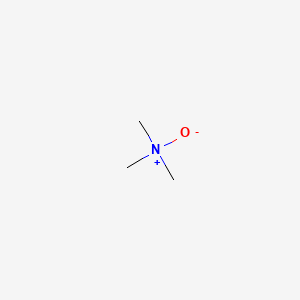
Trimethylamine oxide, more commonly called trimethylamine N-oxide (TMAO), is a metabolite associated with gut microbial metabolism and dietary exposures, including fish intake. In biomedical research, circulating or urinary TMAO is studied as a risk marker and as a potential mediator linking diet, intestinal microbiota, renal handling, and metabolic disease. Recent work has examined its concentrations, renal clearance, and detection in conditions including type 2 diabetes, diabetic nephropathy, chronic kidney disease, and metabolic syndrome, as well as during SGLT-2 inhibitor treatment and calorie-restricted, fish-rich ketogenic diets.
TMAO has also been investigated for tissue-specific biological effects. Experimental studies have linked TMAO exposure to inflammatory and senescence-related pathways, including TXNIP/NLRP3 signaling and pyroptosis in cardiac aging, neuroinflammation associated with cognitive decline, and cGAS-STING/NF-κB signaling in bone-cell dysfunction and osteoporosis-related research. Conversely, TMAO has been studied as a chemical chaperone capable of alleviating unfolded-protein-induced endoplasmic-reticulum stress in diabetic cataract models. These findings present TMAO as a context-dependent molecule whose effects may vary by tissue, disease state, exposure, and renal clearance rather than as a uniformly harmful or beneficial compound.
Where the papers sit
11 papers from the last 6 months study trimethylamine oxide directly · updated from PubMed 10 Nov 2026
Study type 1 clinical trial · 1 observational · 2 human data · 7 preclinical
Themes 3 themes · 1 new direction
-
TMAO and Aging Inflammation
TMAO is being linked to aging-related cellular dysfunction across kidney, heart, bone, brain, and systemic inflammation. NLRP3 activation recurs, with cardiac pyroptosis and renal tubular senescence as prominent outcomes. Other proposed routes include circVmn2r1 and cGAS-STING-NF-κB signaling, while cognitive-motor training is associated with lower TMAO and suppressed TXNIP/NLRP3. The work remains mechanistically diverse rather than establishing one intervention.
5 papers · 45.5%
-
TMAO in Diabetes
TMAO is being studied in diabetes as both a kidney-related risk marker and a potential tissue-protective metabolite. SGLT2 inhibitors, including dapagliflozin and empagliflozin, are evaluated for effects on plasma TMAO and renal clearance in type 2 diabetes. Other work targets diabetic kidney injury through intestinal-flora modulation or diabetic cataracts through relief of unfolded-protein-induced ER stress. Biosensor development adds measurement capability, but the therapeutic and prognostic significance of changing TMAO remains unsettled.
4 papers · 36.4%
-
Fish-Related Metabolic Risk
Fish-related metabolites and dietary patterns are being examined as links between circulating TMAO and metabolic risk. Fish-associated metabolites correlate with triglycerides, HDL cholesterol, and metabolic syndrome factors in population metabolomics. A calorie-restricted, fish-rich ketogenic diet increases circulating TMAO in healthy adults despite its broader metabolic effects. Whether this rise is harmful or simply reflects diet composition remains unresolved.
2 papers · 18.2%
TMAO acts as a protective chemical chaperone in diabetic cataract rather than solely as a harmful metabolite
The diabetic-cataract rat and high-glucose HLE-B3 lens-epithelial-cell models treated with TMAO showed that TMAO reduced lens opacity, apoptosis, reactive oxygen species, epithelial–mesenchymal transition, and unfolded-protein-induced endoplasmic-reticulum stress. This places TMAO in a role not used by the other papers—as a direct cytoprotective chaperone—and shifts the implication from targeting TMAO as a damaging metabolite to investigating it as a potential treatment for diabetic cataract 42759830Sep.
Papers
The 11 papers from the last 6 months that study trimethylamine oxide directly, newest first, by theme and by study type. Study types come from PubMed publication types and MeSH headings.
By theme
TMAO and Aging Inflammation (5)
- TMAO regulates renal tubular epithelial cell senescence through circVmn2r1. Renal failure · 9 Nov 2026 PMID 43001029
- Cognitive-Motor Dual Task Training Synergistically Improves Aging-related Cognitive Dysfunction By Reducing TMAO and Suppressing TXNIP/NLRP3 Pathway. Molecular neurobiology · 28 Sept 2026 PMID 42804118
- TMAO Correlates with Transcriptomic Signatures of Leukocyte Activation and Systemic Inflammation Following Burn Injury. Journal of burn care & research : official publication of the American Burn Association · 19 Aug 2026 PMID 42616049
- Gut Microbiota-Derived TMAO Drives MC3T3-E1 Senescence and Osteogenic Dysfunction via cGAS-STING-NF-κB Signaling: Implications for Age-Related Bone Loss. Calcified tissue international · 28 Jun 2026 PMID 42366244
- Trimethylamine N-oxide drives cardiac aging by activating NLRP3-mediated pyroptosis. Life sciences · 9 Jun 2026 PMID 42264141
TMAO in Diabetes (4)
- Effects of SGLT-2 Inhibitors on Plasma Concentrations and Renal Clearance of the Risk Marker Trimethylamine-N-Oxide in Patients With Type-2 Diabetes. Endocrinology, diabetes & metabolism · 1 Oct 2026 PMID 42817074
- Delay of diabetic cataract progression by a chemical chaperone trimethylamine N-oxide through alleviating unfolded-protein-induced ER stress. Experimental eye research · 18 Sept 2026 PMID 42759830
- Electric-Field Pixel Array Biosensor for Catalytic Ion Detection in Diabetic Nephropathy. ACS biomaterials science & engineering · 27 Jul 2026 PMID 42504484
- Shenqi Tangluo Pill demonstrates protective impacts on kidney damage in mice with type 2 diabetes through modulation of intestinal flora and the microbial metabolic product Trimethylamine N-oxide (TMAO). Phytomedicine : international journal of phytotherapy and phytopharmacology · 2 Jun 2026 PMID 42229382
Fish-Related Metabolic Risk (2)
- Metabolic Changes During a Calorie-Restricted, Fish-Rich Ketogenic Diet Associated With Increased Circulating TMAO in Healthy Adults. Endocrinology, diabetes & metabolism · 16 Oct 2026 PMID 42885482
- Association between fish-related metabolites and metabolic syndrome risk factors in Japan: INTERLIPID metabolome -wide association study. European journal of nutrition · 30 Jul 2026 PMID 42530704
By study type
Clinical trials (1)
- Effects of SGLT-2 Inhibitors on Plasma Concentrations and Renal Clearance of the Risk Marker Trimethylamine-N-Oxide in Patients With Type-2 Diabetes. Endocrinology, diabetes & metabolism · 1 Oct 2026 PMID 42817074
Observational studies and case reports (1)
- Association between fish-related metabolites and metabolic syndrome risk factors in Japan: INTERLIPID metabolome -wide association study. European journal of nutrition · 30 Jul 2026 PMID 42530704
Human data, design not indexed (2)
- TMAO Correlates with Transcriptomic Signatures of Leukocyte Activation and Systemic Inflammation Following Burn Injury. Journal of burn care & research : official publication of the American Burn Association · 19 Aug 2026 PMID 42616049
- Electric-Field Pixel Array Biosensor for Catalytic Ion Detection in Diabetic Nephropathy. ACS biomaterials science & engineering · 27 Jul 2026 PMID 42504484
Preclinical: animal, cell and lab studies (7)
- TMAO regulates renal tubular epithelial cell senescence through circVmn2r1. Renal failure · 9 Nov 2026 PMID 43001029
- Metabolic Changes During a Calorie-Restricted, Fish-Rich Ketogenic Diet Associated With Increased Circulating TMAO in Healthy Adults. Endocrinology, diabetes & metabolism · 16 Oct 2026 PMID 42885482
- Cognitive-Motor Dual Task Training Synergistically Improves Aging-related Cognitive Dysfunction By Reducing TMAO and Suppressing TXNIP/NLRP3 Pathway. Molecular neurobiology · 28 Sept 2026 PMID 42804118
- Delay of diabetic cataract progression by a chemical chaperone trimethylamine N-oxide through alleviating unfolded-protein-induced ER stress. Experimental eye research · 18 Sept 2026 PMID 42759830
- Gut Microbiota-Derived TMAO Drives MC3T3-E1 Senescence and Osteogenic Dysfunction via cGAS-STING-NF-κB Signaling: Implications for Age-Related Bone Loss. Calcified tissue international · 28 Jun 2026 PMID 42366244
- Trimethylamine N-oxide drives cardiac aging by activating NLRP3-mediated pyroptosis. Life sciences · 9 Jun 2026 PMID 42264141
- Shenqi Tangluo Pill demonstrates protective impacts on kidney damage in mice with type 2 diabetes through modulation of intestinal flora and the microbial metabolic product Trimethylamine N-oxide (TMAO). Phytomedicine : international journal of phytotherapy and phytopharmacology · 2 Jun 2026 PMID 42229382
Written from 11 PubMed abstracts, each one listed by PMID above. Published: 2026-11-02. Drafted by language models from published abstracts; not medical advice.