sirolimus
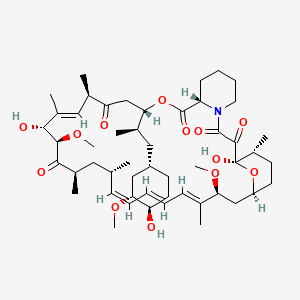
Overview
Sirolimus, also known as rapamycin, is a macrolide compound used primarily as an immunosuppressive and mTOR pathway inhibitor. It binds to FKBP12 and functionally suppresses mechanistic target of rapamycin complex 1 (mTORC1), thereby altering cell growth, proliferation, metabolism, and immune activation. Because of these effects, sirolimus has broad biomedical relevance in transplantation, hematology, vascular anomalies, and experimental aging research.
Clinically, sirolimus is used in regimens that require immune modulation, including hematopoietic cell transplantation and graft-versus-host disease prophylaxis, and it has also been investigated for difficult-to-treat pediatric vascular tumors and malformations such as kaposiform hemangioendothelioma and venous malformations. In recent research, it has also served as a pharmacologic probe for mTORC1-dependent biology in cancer, autophagy, and tissue remodeling, including pathways involving PI3K/AKT/mTOR signaling, Protein kinase B (PKB), PRKAA1, Sequestosome 1 (p62), and related regulators such as everolimus and melatonin.
New Publications Today (1)
- PMID 42601533 — Neuro-images: string of beads at vertebral artery origin: 3-year angiographic follow-up after stenting for fibromuscular dysplasia.
Recent Publications Summary
Recent clinical and preclinical investigations have established sirolimus/rapamycin efficacy across diverse vascular, hematologic, and tissue-preservation applications. A sirolimus-eluting stent successfully treated symptomatic fibromuscular dysplasia at the vertebral artery origin, achieving complete symptom resolution with sustained patency and only mild intimal hyperplasia on 3-year angiographic follow-up 42601533Aug. In atherosclerotic disease, rapamycin-encapsulated dendrimer nanoparticles demonstrated preferential accumulation in uPAR-enriched atherosclerotic plaques with 1.3-fold enhanced macrophage uptake and suppression of inflammatory cytokine TNF-α release 42340987Jun. Polymeric rapamycin nanoparticles encapsulating ponatinib achieved regression of venous malformations in mice through dual mTOR and c-ABL pathway inhibition 42090479May. Sirolimus was also proposed as a key immunomodulator in cardiac xenotransplantation to mitigate both missing self-rejection and graft hypertrophy 41909987Mar.
Sirolimus monotherapy demonstrated remarkable efficacy in managing congenital vascular tumors where surgical resection posed prohibitive morbidity risk. A 17-month sirolimus monotherapy course produced complete resolution of lymphangioma circumscriptum of the tongue with full symptom resolution and no treatment-related toxicity 42503529Jul. Children with kaposiform hemangioendothelioma sustained in remission by sirolimus mounted seroprotective antibody responses comparable to healthy controls following catch-up vaccination, indicating preserved vaccine immunogenicity despite prolonged immunosuppression 42154819May.
Sirolimus-based combination regimens demonstrated clinical utility in systemic immune-mediated conditions. A study evaluated sirolimus-based treatment regimens in antinuclear antibody-positive immune thrombocytopenia 42179326May. In allogeneic hematopoietic cell transplantation, combination therapy of sirolimus, posttransplant cyclophosphamide, and an Aurora kinase A inhibitor (VIC-1911) achieved optimal pathway inhibition at 75 mg VIC-1911 twice daily, achieving target CD4+ T cell signaling suppression without dose-limiting toxicities 41592279Jan. Rapamycin-modified tolerogenic dendritic cells induced liver graft tolerance through enhanced MHC-II+ CD8+ regulatory T cell expansion 42008782Apr.
Encapsulated and novel-formulation rapamycin showed chemopreventive and organ-preservation potential. Encapsulated rapamycin at every-other-day dosing achieved the largest reduction in colorectal polyp burden (−39.4% at 6 months) in familial adenomatous polyposis patients 42048421Apr. In postsurgical tumor therapy, rapamycin-loaded in a light-driven thermotropic hydrogel suppressed tumor recurrence by coordinating lipid intervention and M2-to-M1 macrophage repolarization 42314685Jun. Ex situ perfusion with a rapamycin-containing defatting cocktail significantly reduced triglyceride content in discarded human livers 42148871May, and rapamycin demonstrated sustained clinical benefit in lymphangioleiomyomatosis, though some patients showed continued disease progression 41381226Dec.
Mechanistic investigations and aging studies revealed both efficacy and safety considerations for sirolimus therapy. Chronic rapamycin supplementation prevented age-related motor decline in genetically heterogeneous mice, with greater benefit in females, accompanied by reduced protein carbonyl accumulation in motor-control brain regions 41863332Mar. Enhanced bioavailability strategies included GRP78-targeted delivery via elastin-like polypeptide condensates for intracellular mTORC1 inhibition in cancer cells 41954390Apr and topical nanocarrier formulations demonstrating redox-induced release in human skin 41786093Mar. Zebrafish model studies revealed that sirolimus and everolimus induced hepatotoxicity at standard doses, manifesting as delayed yolk sac absorption, reduced liver size, elevated ALT, and altered hepatocyte morphology at higher concentrations 41320894Dec, warranting careful hepatic monitoring in pediatric populations.
What Changes, What Holds
1. Rapamycin nanoparticles target atherosclerotic plaques and suppress inflammatory cytokine release
NEW DIRECTION Rapamycin-encapsulated dendrimer nanoparticles preferentially accumulated in atherosclerotic plaques, enhanced macrophage uptake, and suppressed TNF-α release 42340987Jun. The baseline identifies sirolimus efficacy in "vascular anomalies"—congenital malformations and pediatric vascular tumors—but does not address atherosclerotic disease. This finding extends sirolimus into acquired arterial pathology, establishing a novel therapeutic indication for inflammatory atherosclerosis outside the developmental vascular disease focus of established applications.
2. Preserved vaccine immunogenicity in children on prolonged sirolimus reveals selective immunosuppression
NEW DIRECTION Sirolimus-treated children mounted seroprotective antibody responses comparable to healthy controls despite prolonged immunosuppression 42154819May. The baseline characterizes sirolimus only as immunosuppressive without specifying which immune functions are targeted versus spared. This finding establishes that the immunosuppressive effect is selective—sufficient to control pathologic T-cell activation in hemangioendotheliomas while preserving adaptive vaccine responses, a property the Overview does not address.
3. Sirolimus-based regimens manage immune thrombocytopenia and induce liver graft tolerance via engineered dendritic cells
NEW DIRECTION Antinuclear antibody-positive immune thrombocytopenia responds to sirolimus-based treatment 42179326May, and rapamycin-modified dendritic cells engineer transplant tolerance 42008782Apr. The baseline covers sirolimus in transplantation and immune modulation broadly, but does not name either autoimmune thrombocytopenia or engineered tolerogenic cell therapy. These identify new clinical indications and a novel cell-engineering mechanism for immunotolerance outside the established transplant-rejection and GVHD prevention framework.
4. Sirolimus achieves clinical benefit in familial adenomatous polyposis and lymphangioleiomyomatosis
NEW DIRECTION Encapsulated rapamycin reduced colorectal polyp burden in familial adenomatous polyposis 42048421Apr, and rapamycin showed sustained benefit in lymphangioleiomyomatosis 41381226Dec. The baseline mentions sirolimus as a "pharmacologic probe for mTORC1-dependent biology in cancer" but does not list clinical cancer indications. These findings establish therapeutic utility in specific malignancy-associated conditions, moving sirolimus from exploratory cancer research into concrete clinical applications for genetic predisposition and rare tumor-associated diseases.
5. Chronic rapamycin prevents age-related motor decline but induces hepatotoxicity in pediatric models
NEW DIRECTION Rapamycin prevented age-related motor decline in mice 41863332Mar, but sirolimus and everolimus induced hepatotoxicity (elevated ALT, reduced liver size, altered hepatocyte morphology) in zebrafish at standard doses, warranting careful hepatic monitoring in pediatric populations 41320894Dec. The baseline does not characterize pediatric hepatotoxicity or specify organ-specific adverse effects. This work identifies a safety concern specific to developing hepatic systems, complicating the aging benefit and establishing a previously uncharacterized adverse-effect profile that constrains pediatric use.
Overview update candidates: atherosclerotic disease responsiveness (Entry 1); selective immunosuppression with vaccine preservation (Entry 2); immune thrombocytopenia and tolerogenic dendritic cell therapy (Entry 3); familial adenomatous polyposis and lymphangioleiomyomatosis efficacy (Entry 4); and pediatric hepatotoxicity (Entry 5).
sirolimus
Background Contexts
In the literature, the biological baseline, pathological conditions, or disease models commonly surrounding sirolimus are described as follows:
- Mechanistic target of rapamycin (mTOR) (Protein) — 3 papers: PMIDs 42273992, 42090479, 41320894
- atherosclerosis (Disease) — 2 papers: PMIDs 42601533, 42340987
- kaposiform hemangioendothelioma (Disease) — 2 papers: PMIDs 42154819, 42033477
- liver transplantation (Therapy) — 2 papers: PMIDs 42531434, 42008782
- therapeutic resistance (Disease) — 2 papers: PMIDs 42284888, 42276398
- ABL proto-oncogene 1, non-receptor tyrosine kinase (Protein) — 1 paper: PMIDs 42090479
- accelerated aging (Biological Process) — 1 paper: PMIDs 42377135
- acute graft versus host disease (Disease) — 1 paper: PMIDs 41945757
- acute myeloid leukemia (Disease) — 1 paper: PMIDs 41785374
- adenosine (Chemical) — 1 paper: PMIDs 42322973
- Allogeneic hematopoietic stem cell transplantation (Therapy) — 1 paper: PMIDs 42531434
- Alzheimer's disease (Disease) — 1 paper: PMIDs 42166642
Methodologies & Technologies Used
Researchers utilize the following experimental methods, imaging platforms, computational models, or biological reagents to study sirolimus:
- western blot (Technology) — 4 papers: PMIDs 42486454, 42185680, 41997434, 41954390
- mouse (Organism) — 2 papers: PMIDs 42322973, 42320860
- RPTOR gene (Gene) — 2 papers: PMIDs 42273992, 42083285
- total body irradiation (Therapy) — 2 papers: PMIDs 41945757, 41785374
- 2-deoxy-2-[18F]-fluoro-d-glucose (Chemical) — 1 paper: PMIDs 42330303
- 30-nanometer nanoparticles (Technology) — 1 paper: PMIDs 42090479
- AAV9 vector (Technology) — 1 paper: PMIDs 42198847
- ADMET analysis (Technology) — 1 paper: PMIDs 42371166
- adult female zebrafish (Organism) — 1 paper: PMIDs 41320894
- AI/machine learning (Technology) — 1 paper: PMIDs 42208848
- Airway Epithelial Culture Models (Technology) — 1 paper: PMIDs 42377135
- alemtuzumab (Therapy) — 1 paper: PMIDs 41945757
Molecular Interventions & Targets
The primary molecular pathways, regulatory genes, enzymes, or therapeutic agents actively targeted and manipulated in relation to sirolimus include:
- Mechanistic target of rapamycin (mTOR) (Protein) — 5 papers: PMIDs 42371166, 42320860, 42276398, 42166642, etc.
- autophagy (Biological Process) — 3 papers: PMIDs 42114668, 41997434, 41833148
- mTORC1 complex (Pathway) — 2 papers: PMIDs 42009094, 41954390
- Protein kinase B (PKB) (Protein) — 2 papers: PMIDs 42166642, 42009094
- 3-hydroxybutyrate (Chemical) — 1 paper: PMIDs 42330303
- 4,4'-sulfonyldiphenol (Chemical) — 1 paper: PMIDs 42114668
- AMP-activated protein kinase alpha 1 (AMPKα1) (Protein) — 1 paper: PMIDs 41833148
- AMPK/mTOR (Pathway) — 1 paper: PMIDs 42486454
- Amyloid beta (Aβ) (Protein) — 1 paper: PMIDs 42166642
- anti-nuclear antibody (Other) — 1 paper: PMIDs 42179326
- asciminib (Therapy) — 1 paper: PMIDs 42284888
- AURKA (Protein) — 1 paper: PMIDs 41592279
Observed Outcomes & Phenotypes
The phenotypic changes, physiological endpoints, or clinical metrics observed and measured in connection with sirolimus include:
- proinflammatory cytokine (Biological Process) — 4 papers: PMIDs 42377135, 42340987, 42320860, 42273992
- adenosine triphosphate (Chemical) — 3 papers: PMIDs 42284888, 42276398, 41997434
- apoptotic process (Biological Process) — 2 papers: PMIDs 42340987, 42114668
- autophagic flux (Biological Process) — 2 papers: PMIDs 42322973, 42009094
- Autophagosome maturation (Biological Process) — 2 papers: PMIDs 42322973, 42284888
- autophagy (Biological Process) — 2 papers: PMIDs 42486454, 42284888
- cell viability (Clinical Metric) — 2 papers: PMIDs 42322973, 42284888
- cellular senescence (Biological Process) — 2 papers: PMIDs 42377135, 42114668
- Event-Free Survival (Clinical Metric) — 2 papers: PMIDs 41945757, 41785374
- Mechanistic target of rapamycin (mTOR) (Protein) — 2 papers: PMIDs 42486454, 41997434
- oxidative stress (Biological Process) — 2 papers: PMIDs 42114668, 41945757
- p62 (Protein) — 2 papers: PMIDs 42486454, 42322973
General Takeaways & Clinical Potentials
The high-level concepts, clinical translations, and overarching conclusions proposed in the research surrounding sirolimus are summarized below:
- actomyosin contractility (Biological Process) — 1 paper: PMIDs 42273992
- acute graft versus host disease (Disease) — 1 paper: PMIDs 41592279
- AI-generated promoter library (Other) — 1 paper: PMIDs 42208848
- AMPK activators (Chemical) — 1 paper: PMIDs 41833148
- AMPK/mTOR axis (Pathway) — 1 paper: PMIDs 41997434
- AMPK/mTOR signaling pathway (Pathway) — 1 paper: PMIDs 42486454
- antioxidant (Other) — 1 paper: PMIDs 41833148
- apoptotic process (Biological Process) — 1 paper: PMIDs 42486454
- autophagy (Biological Process) — 1 paper: PMIDs 42486454
- autophagy regulators (Gene) — 1 paper: PMIDs 41833148
- biomarkers of endothelial injury (Clinical Metric) — 1 paper: PMIDs 42198847
- cancer-specific nanomedicine platform (Other) — 1 paper: PMIDs 42340987