resveratrol
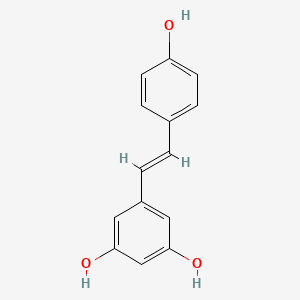
Overview
Resveratrol is a naturally occurring plant polyphenol of the stilbene class, chemically 3,5,4'-trihydroxy-trans-stilbene. It is produced by grapevines, berries, and peanuts as a phytoalexin in response to stress or infection, and is found most abundantly in grape skin and red wine. The trans isomer is the biologically predominant and most studied form. Like many polyphenols, resveratrol is poorly water-soluble and undergoes extensive first-pass glucuronidation and sulfation, giving it low oral bioavailability — a limitation that has driven formulation work including nanocarrier systems and spray-dried inhalable powders for pulmonary delivery.
Its biological activity is broadly attributed to antioxidant and anti-inflammatory effects. Resveratrol scavenges reactive oxygen species and supports endogenous antioxidant defenses, including glutathione and glutathione Peroxidase 4 (GPX4), and it activates Nrf2-driven cytoprotective transcription via the p62-Keap1-Nrf2 axis, a pathway linked to suppression of ferroptosis. It is widely characterized as an activator of Sirtuin 1 (SIRT1), an NAD+-dependent deacetylase implicated in metabolic regulation, autophagy, and cellular stress resistance, and it engages AMPK signaling in energy and lipid metabolism. Resveratrol also modulates PI3K/Akt and mTOR signaling, dampens NF-κB-driven production of proinflammatory cytokines such as Interleukin-6 (IL-6), and suppresses NLRP3 inflammasome activation with downstream Caspase-1-mediated pyroptosis; effects on Caspase-3-dependent apoptosis and on Transforming growth factor-β1 (TGF-β1)-driven fibrosis have also been described.
These mechanisms underlie preclinical interest across a wide range of conditions. In neuroscience, resveratrol has been studied for neuroprotection in models of Alzheimer's disease, Parkinson's disease, and epilepsy, where oxidative stress, cellular cellular senescence, and impaired autophagy contribute to injury; its capacity to cross the blood-brain barrier is a recurring consideration in this work. Metabolic applications include high-fat-diet obesity models, where thermogenic β3-adrenergic and AMPK signaling has been implicated, alongside longstanding interest in type 2 diabetes and cardiovascular disease. It is also examined in fibrosis and tissue-remodeling settings and for anticancer activity, and is frequently combined with other natural compounds such as curcumin, quercetin, hesperidin, and catechins. Despite extensive preclinical literature, resveratrol remains a dietary supplement rather than an approved drug, and clinical evidence for its benefits is not established.
Recent Publications Summary (latest 30 papers)
Recent publications on resveratrol have focused heavily on neuroprotection, epilepsy, and metabolic disease, with multiple studies examining its effects in experimental models of Alzheimer’s disease, stroke, and seizure-related injury. In an Aβ1-42-induced Alzheimer’s disease mouse model, resveratrol reduced aging-related markers, activated autophagy-associated signaling, attenuated cell viability loss and reactive oxygen species production in vitro, and was linked mechanistically to AMPK/ULK1 and SIRT1/NF-κB pathways 42412302Jul. In a separate streptozotocin-induced intracerebroventricular rat model of Alzheimer’s disease, resveratrol was included in a combined oral regimen with artemisinin, N-acetylcysteine, and hesperidin, which partially improved behavioral performance and reduced hippocampal damage, amyloid-β-related pathology, phosphorylated tau, apoptosis, and inflammation 42440180Jul. In ischemic stroke rats, resveratrol improved neurological scores, reduced infarct size, alleviated post-stroke cognitive impairment, lowered inflammatory and oxidative stress markers, and preserved blood-brain barrier integrity through modulation of the sFRP4/Wnt pathway 42114733May.
Epilepsy-related studies also reported protective effects of resveratrol across central and peripheral tissues. A multi-omics investigation integrating a pediatric pilot cohort, in silico analyses, and experimental validation identified metabolic reprogramming, iron accumulation, oxidative stress, and ferroptosis-related alterations in pediatric epilepsy, and then validated resveratrol in kainic acid-treated mice and glutamate-challenged HT22 cells as a modulator of the p62-Keap1-Nrf2 pathway 42431470Jul. In PTZ-induced epileptic rats, resveratrol reduced seizure-associated diaphragm dysfunction, restored basal contractile activity, improved calcium handling, and altered apoptotic markers including Caspase-3, Caspase-9, Bax, and Bcl-2 42426356Jul. Another study reported that resveratrol alleviated neurogenic bladder fibrosis and urothelial pyroptosis in a rat model by inhibiting AKT/mTOR signaling, with reductions in bladder remodeling, fibrosis, apoptosis, NLRP3, IL-1β, and Caspase-1 and restoration of E-cadherin 42319380Jun.
Several recent papers examined resveratrol in metabolic and inflammatory disease models. In high-fat diet-induced obesity, resveratrol reduced body weight gain, improved glucose tolerance and lipid profiles, suppressed adipose inflammation, and was associated with increased β3-AR, phosphorylated AMPKα, and UCP1 expression, consistent with activation of thermogenic signaling 42338132Jun. In silicosis, resveratrol-loaded solid lipid nanoparticle and selenium nanoparticle-based formulations both attenuated oxidative stress, inflammation, and fibrosis, with the selenium nanoparticle formulation showing stronger effects on TLR4/NF-κB/NLRP3/IL-1β/IL-6 and TGF-β/Smad pathways 42159899May. In hepatocellular carcinoma, a ROS-responsive carrier-free nanoparticle co-delivering a resveratrol prodrug and obeticholic acid suppressed proliferation, induced apoptosis and cell cycle arrest, inhibited PI3K/AKT/mTOR signaling, and promoted immunogenic cell death with activation of NK and NKT cells 42159189May. In pancreatic ductal adenocarcinoma, resveratrol was validated as a novel inducer of ferroptosis in multi-omics analyses and experimental assays, with emphasis on core genes including GPX4, CTSB, NOX4, TFRC, HIF1A, and TGFB1 42142137May.
A substantial portion of the recent literature has also addressed resveratrol delivery systems and formulation strategies aimed at overcoming its poor bioavailability. Spray-dried inhalable resveratrol improved lung exposure and reduced systemic distribution compared with micronized resveratrol in mice, with a markedly higher lung-to-plasma AUC ratio and acceptable toxicity findings 42366507Jun. Mucoadhesive nasal nanofibers embedding resveratrol-loaded vesicles showed enhanced swelling, mucoadhesion, and sustained release for nasal disorders 42092661May. Other platforms included bilosomes for targeted colorectal cancer delivery, which improved tumor accumulation and cytotoxicity 42098560May, cyclodextrin-based polymers for cartilage repair that improved chondrocyte metabolic activity and extracellular matrix deposition 42018663Apr, and 3D-printed hollow microneedles for intradermal delivery of resveratrol-loaded PLGA nanoparticles with improved skin retention 42140402May. Additional studies reported resveratrol-loaded liposomes for chemotherapy-induced ovarian injury 42126940May, alginate-functionalized selenium nanocarriers for mitochondrial-targeted hepatocellular carcinoma inhibition 42165412May, and oleogel or nanofibrous systems that improved resveratrol encapsulation, stability, release, and bioaccessibility 41916217Mar42092661May.
Beyond disease models and delivery, recent work also explored resveratrol’s chemistry and pharmacology. A mechanistic study in Caenorhabditis elegans showed that trans- and cis-resveratrol have opposing effects on mitochondrial endonuclease G, with direct binding to the enzyme and divergent effects on neurodegeneration and mitochondrial elimination 42296341Jun. Biomimetic radical oligomerization enabled the total synthesis of five resveratrol dimers, including δ-viniferin, ε-viniferin, gnetin C, ampelopsin B, and ampelopsin F 42247673Jun. Other studies reported improved permeability and reduced phase II metabolism for hydrophobic resveratrol derivatives 41985089Apr, enhanced antioxidant and enzyme-inhibitory activity after moderate high-pressure processing 42105553May, and the presence of resveratrol among the phytochemical constituents of medicinal plant extracts evaluated for antioxidant, antibacterial, and antidiabetic properties 42168772May42129402May.
What Changes, What Holds
1. Resveratrol now looks more firmly neuroprotective across amyloid, stroke, and cognitive injury models, but the mechanism remains preclinical and pathway-specific
REINFORCES These studies strengthen the baseline view that resveratrol is being explored for neuroprotection in Alzheimer’s disease and stroke, with added support for autophagy, AMPK/SIRT1, inflammatory, and blood-brain barrier pathways. They do not overturn the established account; instead, they sharpen it by tying benefit to specific experimental contexts and signaling axes. The evidence remains animal and cell based, so clinical relevance is still unsettled 42412302Jul42114733May.
2. Epilepsy work extends resveratrol’s anti-oxidative and anti-ferroptotic profile into seizure-related peripheral dysfunction and bladder fibrosis
NEW DIRECTION The new studies do not contradict the baseline, but they broaden it beyond the Overview’s central nervous system emphasis by linking resveratrol to diaphragm function and neurogenic bladder remodeling. That adds a new role in seizure-associated peripheral tissue injury and fibrosis, while still fitting the established themes of p62-Keap1-Nrf2, AKT/mTOR, and NLRP3 suppression. These are preclinical findings, so whether they generalize beyond models remains open 42431470Jul42319380Jun.
3. Resveratrol’s metabolic and anticancer effects are reinforced, while nanoparticle work suggests delivery can materially change where and how it acts
REINFORCES The obesity findings align closely with the baseline’s AMPK-linked metabolic framing, and the cancer studies extend the existing anticancer interest without changing the core account. The formulation papers mainly show that carrier design can alter exposure, tissue targeting, and efficacy, which supports the Overview’s bioavailability problem rather than revising resveratrol’s biology. The pancreatic ferroptosis result also fits the established oxidative-stress narrative rather than displacing it 42338132Jun42142137May.
4. New formulations make resveratrol a more tractable delivery problem, but they do not yet establish a new clinical use
METHOD This paragraph is chiefly about how resveratrol is studied and administered: inhaled, nasal, oral, intradermal, and nanoparticle platforms are being optimized to overcome poor solubility and first-pass loss. That directly reinforces the baseline’s bioavailability limitation and formulation work, rather than changing the entity’s known pharmacology. The practical implication is improved experimental access and tissue targeting, not a settled therapeutic advance 42366507Jun42092661May.
5. Resveratrol’s stereochemistry and derivative chemistry now appear more consequential than the baseline suggests
NEW DIRECTION The new work adds a mechanistic distinction between trans- and cis-resveratrol that the Overview does not cover, showing that the two isomers can diverge in mitochondrial effects rather than behaving as interchangeable forms. That broadens the compound’s pharmacology beyond the usual trans-isomer emphasis. The synthesis and derivative studies also point to a growing medicinal-chemistry agenda, but they do not replace the established account of resveratrol itself 42296341Jun41985089Apr.
Overview update candidates: the trans/cis-resveratrol distinction in mitochondrial effects; the broader seizure-related peripheral and bladder fibrosis roles; formulation-driven changes in tissue targeting and exposure.
resveratrol
Background Contexts
In the literature, the biological baseline, pathological conditions, or disease models commonly surrounding resveratrol are described as follows:
- COVID-19 pandemic (Other) — 2 papers: PMIDs 42384548, 42384480
- ferroptosis (Biological Process) — 2 papers: PMIDs 42431470, 42142137
- Influenza viruses (Organism) — 2 papers: PMIDs 42384548, 42384480
- liver cancer (Disease) — 2 papers: PMIDs 42159189, 42061133
- Pneumococcal disease (Disease) — 2 papers: PMIDs 42384548, 42384480
- 2024-25 RSV season (Other) — 1 paper: PMIDs 42229496
- allergic rhinitis (Disease) — 1 paper: PMIDs 42092661
- Alzheimer's disease (Disease) — 1 paper: PMIDs 42412302
- antioxidant (Other) — 1 paper: PMIDs 42140402
- astaxanthin (Chemical) — 1 paper: PMIDs 41914515
- Atopic diseases (Disease) — 1 paper: PMIDs 41839285
- BCG vaccine (Therapy) — 1 paper: PMIDs 42142526
Methodologies & Technologies Used
Researchers utilize the following experimental methods, imaging platforms, computational models, or biological reagents to study resveratrol:
- 2,2'-azino-bis(3-ethylbenzothiazoline-6-sulfonic acid) (Other) — 2 papers: PMIDs 42168772, 41895977
- 2,2-diphenyl-1-picrylhydrazyl (Technology) — 2 papers: PMIDs 42168772, 41895977
- sodium alginate (Chemical) — 2 papers: PMIDs 42165412, 42092661
- VOSviewer (Technology) — 2 papers: PMIDs 42216664, 42061133
- 1-acyl-sn-glycero-3-phosphoserine (Other) — 1 paper: PMIDs 41833923
- 3-week intervention (Other) — 1 paper: PMIDs 41914515
- A/J mice (Organism) — 1 paper: PMIDs 42366507
- absorption, distribution, metabolism, excretion, and toxicity (ADMET) (Other) — 1 paper: PMIDs 42168772
- AcDEX (Chemical) — 1 paper: PMIDs 41833923
- AS01E (Therapy) — 1 paper: PMIDs 42224773
- Aβ1-42-induced AD model (Organism) — 1 paper: PMIDs 42412302
- BCG vaccine (Therapy) — 1 paper: PMIDs 42142526
Molecular Interventions & Targets
The primary molecular pathways, regulatory genes, enzymes, or therapeutic agents actively targeted and manipulated in relation to resveratrol include:
- nirsevimab (Therapy) — 5 papers: PMIDs 42399582, 42334170, 42331576, 42229496, etc.
- curcumin (Chemical) — 3 papers: PMIDs 42216664, 42061133, 41895977
- gallic acid (Chemical) — 2 papers: PMIDs 42168772, 42129402
- influenza A virus (Organism) — 2 papers: PMIDs 42299927, 42138264
- Influenza B virus (Disease) — 2 papers: PMIDs 42299927, 42138264
- PRKAA1 (Protein) — 2 papers: PMIDs 42412302, 41833148
- quercetin (Chemical) — 2 papers: PMIDs 42168772, 42061133
- trans-RSV (Therapy) — 2 papers: PMIDs 42296341, 42140402
- (+)-catechin (Chemical) — 1 paper: PMIDs 42168772
- (E)-sinapic acid (Chemical) — 1 paper: PMIDs 42168772
- acarbose (Therapy) — 1 paper: PMIDs 42168772
- Adenovirus (Disease) — 1 paper: PMIDs 42138264
Observed Outcomes & Phenotypes
The phenotypic changes, physiological endpoints, or clinical metrics observed and measured in connection with resveratrol include:
- proinflammatory cytokine (Biological Process) — 3 papers: PMIDs 42319380, 41839392, 41833923
- anti-inflammatory cytokines (Biological Process) — 2 papers: PMIDs 41839392, 41833923
- biocompatibility (Other) — 2 papers: PMIDs 42412302, 42092661
- hospitalisations (Clinical Metric) — 2 papers: PMIDs 42399582, 42107385
- IC50 values of 1.6±0.7 and 0.9±0.2 nM (Clinical Metric) — 2 papers: PMIDs 42129402, 42098560
- oxidative stress (Biological Process) — 2 papers: PMIDs 42159899, 42061133
- reactive oxygen species (Chemical) — 2 papers: PMIDs 42412302, 41833923
- SIRT1/HIF-1α pathway (Pathway) — 2 papers: PMIDs 42159899, 42142137
- $32 per sample (Other) — 1 paper: PMIDs 42138264
- 10 copies per µL (Clinical Metric) — 1 paper: PMIDs 42299927
- 263 differentially expressed proteins (Protein) — 1 paper: PMIDs 42114733
- 30 Minutes (Clinical Metric) — 1 paper: PMIDs 42299927
General Takeaways & Clinical Potentials
The high-level concepts, clinical translations, and overarching conclusions proposed in the research surrounding resveratrol are summarized below:
- point-of-care testing (Other) — 2 papers: PMIDs 42299927, 42138264
- active ingredients (Other) — 1 paper: PMIDs 42061133
- AD prevention and treatment strategies (Other) — 1 paper: PMIDs 42216664
- adaptive immune response (Biological Process) — 1 paper: PMIDs 42142526
- Advanced edible inks (Other) — 1 paper: PMIDs 41785748
- age-related neurodegenerative diseases (Biological Process) — 1 paper: PMIDs 42412302
- AMPK activators (Chemical) — 1 paper: PMIDs 41833148
- antioxidant (Other) — 1 paper: PMIDs 41833148
- apoptotic activity (Clinical Metric) — 1 paper: PMIDs 42426356
- ATC code H05 (Biological Process) — 1 paper: PMIDs 42426356
- autophagy regulators (Gene) — 1 paper: PMIDs 41833148
- blood–brain barrier (Biological Process) — 1 paper: PMIDs 42114733