Nitric Oxide
Nitric oxide (NO) is a small, reactive signaling molecule with important roles in vascular regulation, inflammation, redox biology, antimicrobial activity, and experimental therapeutics.
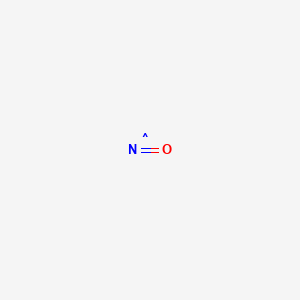
Nitric oxide (NO) is a small, reactive signaling molecule with important roles in vascular regulation, inflammation, redox biology, antimicrobial activity, and experimental therapeutics. In the cited literature, NO is characterized as a mediator of vasodilation and as a component of the L-arginine/NO/cGMP signaling pathway. Its biological effects are closely connected with reactive oxygen species, oxidative and nitrosative stress, and inflammatory mediators such as tumor necrosis factor-α (TNF-α), interleukin-1β (IL-1β), and interleukin-6 (IL-6).
NO is also being investigated as a pharmaceutical and materials-science payload. Current applications include modulation of vascular tone, inhibition of inducible nitric oxide synthase (iNOS), NO-releasing anti-glaucoma agents, inhaled treatment strategies for severe bacterial pneumonia, antimicrobial and anti-fouling surfaces, and nanomedicines that combine NO release with photothermal therapy, photodynamic therapy, chemotherapy, or immune modulation. These studies place NO at the intersection of inflammation and oxidative stress, cancer nanomedicine and immunotherapy, and antimicrobial applications.
Rebuilt from PubMed 18 Sept 2026 · no new papers today
Where the papers sit
10 papers study nitric oxide directly. The themes below are drawn from those 10.
-
Inflammation and Oxidative Stress : Plant extracts and NO-releasing agents are being connected to anti-inflammatory and neuroprotective effects through the L-arginine/NO/cGMP axis. Oxidative injury, including metal-driven redox disruption after spinal cord injury, remains a recurring therapeutic target. 4 papers · 40%
-
Tumor Perfusion and NO Nanotherapy : NO-releasing nanomedicines are moving toward locally activated lung-cancer treatment, combining vascular tone modulation with EMT suppression and immune stimulation. Inhalable platforms aim to improve tumor perfusion and delivery while limiting systemic exposure. 3 papers · 30%
-
Antimicrobial NO Nanotechnologies : NO-releasing surfaces and photothermal nanoplatforms are being developed for antifouling and infection control, while inhaled NO is moving toward testing against multidrug-resistant bacterial pneumonia. Antimicrobial activity and biosafety recur across the work. 3 papers · 30%
Recent Findings on Nitric Oxide
NO in metal-associated oxidative injury and spinal cord injury: A 2026 study investigated the relationships among trace and toxic metal concentrations, oxidative and nitrosative stress markers, antioxidant defenses, inflammatory cytokines, and neurological severity in patients with spinal cord injury. The work specifically examined whether metal-related redox imbalance was associated with disease severity, incorporating measures relevant to malondialdehyde, reactive oxygen species, glutathione, Superoxide Dismutase (SOD), and Catalase (CAT) 42742870Sep. This study extends the inflammation and oxidative stress theme by positioning NO-related nitrosative stress within a multivariate analysis of metallotoxicity and neurological injury.
L-arginine/NO/cGMP signaling in anti-inflammatory activity: Research on the aqueous fraction of Dacryodes kukachkana extract reported that its anti-inflammatory effect involves the L-arginine/NO/cGMP pathway 42097345May. The study links a natural-product intervention to NO-associated signaling rather than treating NO solely as a marker of oxidative injury. Its context is consistent with investigations of inflammation, macrophage responses, and cytokines such as TNF-α, IL-1β, and IL-6.
Natural-product modulation of iNOS: A combined in vivo, in vitro, and in silico investigation of Pistachia lentiscus extract examined mechanisms underlying its anti-inflammatory activity. Molecular docking identified ethanone, 1-[4-methoxy-3-(4-methylphenoxy)phenyl]-, as a compound with a predicted high binding affinity for iNOS, using PDB structure 3E7G. The predicted inhibition constant was 0.128 μM, and the interaction pattern was reported to be comparable to that of indomethacin 42114578May. Because this was a molecular-docking prediction, the reported value represents a computational estimate rather than a clinical or definitive biochemical demonstration of iNOS inhibition.
NO-releasing agents for glaucoma: Investigators designed bifunctional anti-glaucoma compounds combining carbonic anhydrase II (CA II) inhibitory activity with NO-releasing activity. The study also evaluated their neuroprotective effects, indicating a therapeutic strategy in which NO release is coupled to a second pharmacological mechanism rather than used as an isolated intervention 42035669Apr.
Inhaled NO for severe multidrug-resistant bacterial pneumonia: A randomized controlled trial protocol was developed to evaluate the efficacy and safety of adjunctive high-dose inhaled NO in patients with severe pneumonia caused by multidrug-resistant bacteria 42613036Aug. Because the publication is a protocol, it describes the planned clinical evaluation rather than reporting trial outcomes. This work extends antimicrobial NO research toward a clinically testable inhaled treatment for infection involving organisms such as Staphylococcus aureus and other multidrug-resistant bacteria.
NO-releasing anti-fouling biomedical surfaces: A multifunctional surface was developed by combining a slippery nanoemulsion-infused surface with dual release of NO and eugenol. The design was intended for anti-fouling biomedical applications, coupling the physical properties of a slippery surface with the bioactive effects of two released agents 42565252Aug. This approach places NO within a materials-based antimicrobial strategy that seeks to limit biological fouling while providing localized chemical activity.
Photothermally triggered NO against fungal biofilms: A multifunctional nanoplatform, designated ASE@B NPs, integrated a second near-infrared photothermal agent, biofilm-targeting antimicrobial functionality, and photothermally triggered NO release. The platform was developed for phototheranostic treatment of fungal biofilms, combining light-mediated heating and controlled NO delivery in a single nanomaterial 42708916Sep. This study extends antimicrobial NO applications beyond free or inhaled gas by using externally triggered release at a biofilm-targeted site.
NO nanogeneration for lung adenocarcinoma: An inhalable NO nanogenerator, 10m@FOMs-Cu, was developed for lung adenocarcinoma treatment. The system encapsulated a bioorthogonal-activated NO–cisplatin prodrug within tumor-microenvironment-responsive hybrid micelles, enabling sustained NO release and combination gas-immunotherapy 42714559Sep. The stated design goal was to reprogram the tumor microenvironment, linking NO delivery with cisplatin-based treatment and immune modulation.
NO-assisted photodynamic therapy and suppression of epithelial–mesenchymal transition: Another nanomedicine strategy used molecular co-assembly of TQTT-NO and TQTT-NH to generate nanoparticles with enhanced type-I reactive oxygen species production and light-controlled NO release. The system was designed to synergistically inhibit tumor growth and epithelial–mesenchymal transition (EMT) 42579410Aug. This work connects NO release with photodynamic therapy and intermolecular electron transfer, rather than relying on NO-mediated cytotoxicity alone.
Vascular-tone modulation to improve tumor perfusion: Methyl palmitate nanoparticles were investigated as a means of enhancing tumor perfusion and nanomedicine delivery. The reported mechanism proposed that, after internalization by macrophages and endothelial cells, the particles could trigger endogenous NO release in a concentration- and time-dependent manner. NO was identified in this context as a key mediator of vasodilation 42467819Jul. The study therefore connects vascular NO biology with delivery of nanomedicines to tumors, while the wording of the report indicates a proposed mechanism rather than an established clinical effect.
Overall direction of the recent literature: Collectively, the cited publications extend three major areas of NO research. In inflammation and oxidative stress, NO is examined through the L-arginine/NO/cGMP pathway, iNOS modulation, and nitrosative injury associated with metals and spinal cord injury. In cancer nanomedicine and immunotherapy, NO is coupled with cisplatin prodrugs, tumor-microenvironment-responsive micelles, photodynamic therapy, EMT suppression, and vascular modulation. In antimicrobial applications, NO is incorporated into anti-fouling surfaces, photothermally activated nanoplatforms for fungal biofilms, and a planned inhaled treatment for severe multidrug-resistant bacterial pneumonia.
Written from 10 PubMed abstracts, each one cited by PMID above. Published: 2026-09-17. Drafted by language models from published abstracts; not medical advice.