dapagliflozin
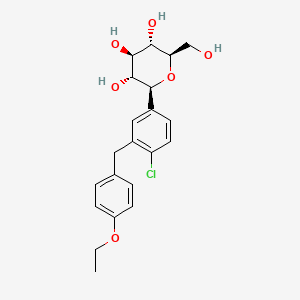
Overview
Dapagliflozin is a small-molecule sodium-glucose cotransporter 2 (SGLT2) inhibitor used as a pharmacologic target in studies of diabetes and cardiorenal disease. By inhibiting SGLT2 in the kidney, it reduces renal glucose reabsorption and promotes urinary glucose excretion, thereby improving glycemic control. Beyond glucose lowering, dapagliflozin has been investigated for broader effects on kidney, heart, vascular, and inflammatory pathways, including oxidative stress, inflammation, fibrosis, apoptosis, and cellular senescence.
In biomedical research, dapagliflozin is frequently studied in the context of type 1 diabetes, type 2 diabetes, diabetic nephropathy/diabetic kidney disease, kidney failure, and myocardial injury models. Experimental and translational work has also examined its impact on molecular processes such as Transforming growth factor, beta 1 signaling, endothelial cell responses, and metabolic stress in the kidney. These studies position dapagliflozin as a representative sodium-glucose cotransporter-2 inhibitor with relevance beyond glycemic control.
New Publications Today (1)
- PMID 42595915 — Effects of Dapagliflozin on the Bone of Patients with CKD on Dialysis.
Recent Publications Summary
Recent studies have continued to evaluate dapagliflozin across a range of preclinical and translational settings, most often in kidney disease and cardiometabolic injury. In youth with type 1 diabetes and hyperfiltration, a placebo-controlled trial assigned participants to dapagliflozin or placebo for 16 weeks and paired treatment with sequential kidney biopsies, kidney MRI, and proteomic analyses; single-cell RNA sequencing showed coordinated transcriptional shifts across nephron, vascular, and immune compartments, with dapagliflozin down-regulating glycolysis, gluconeogenesis, and oxidative stress markers in proximal tubule cells, while endothelial cells showed reduced profibrotic and inflammatory gene expression and increased protective factors 42485434Jul. In diabetic kidney disease, mechanistic work linked glucotoxic stress, CTRP1, and SGLT2-mediated glucose uptake, supporting a role for SGLT2 inhibition in attenuating renal tubular senescence 42461151Jul. Additional studies in streptozotocin-induced diabetes in rats found that dapagliflozin reduced glucose levels and, in combination with liraglutide, produced the strongest glycemic effect, while renal inflammatory and oxidant markers were elevated in diabetes and only partially improved by treatment 42341385Jun.
Other publications examined dapagliflozin in combination strategies or in alternative disease models. In diabetic kidney disease models using streptozotocin-treated rats and HG+TGF-β1-stimulated NRK-52E cells, recombinant human klotho plus dapagliflozin improved metabolic and renal function and preserved renal architecture, with increased markers of mitophagy-related pathways and reduced apoptosis and fibrosis 42172900May. In dialysis patients with CKD, a predefined post-hoc analysis of a randomized trial assessed dapagliflozin 10 mg daily versus standard care over 24 weeks, focusing on serum Klotho, FGF23, and other bone biomarkers as well as fractures, osteopenia, and osteoporosis 42595915Aug. In mice with early diet-induced cardiovascular-kidney-metabolic syndrome, dapagliflozin was tested after high-fat diet exposure to assess sex-specific metabolic, cardiac, and renal responses 42411797Jul.
Beyond kidney-focused work, dapagliflozin has also been explored in cardiovascular and ophthalmic contexts. A study of myocardial ischemia/reperfusion injury reported that dapagliflozin ameliorated injury through modulation of EGFR signaling and targeting NCOA4-mediated ferritinophagy 41644044Feb. In glaucoma research, dapagliflozin was incorporated into polymeric nanomicelles to improve ocular delivery, with the formulation showing favorable size, morphology, entrapment efficiency, and sustained release in preliminary testing 42331119Jun.
What Changes, What Holds
1. Transcriptional profiling shows dapagliflozin reprograms diabetic kidney disease toward lower stress and less fibrosis
REINFORCES Single-cell and biopsy-linked profiling strengthens the established view that dapagliflozin acts beyond glucose lowering in the kidney, with coordinated effects on proximal tubular metabolism, endothelial activation, and immune/inflammatory signaling 42485434Jul. The new work does not overturn the baseline account; it sharpens it by mapping cell-type-specific correlates of the kidney-protective phenotype and by linking SGLT2 inhibition to reduced senescence-associated stress pathways in diabetic kidney disease 42461151Jul.
2. Combination and adjunct studies extend dapagliflozin into bone-mineral and multimodal kidney-cardiometabolic questions
NEW DIRECTION Dapagliflozin is being pushed into roles the Overview does not cover, including bone-mineral biology in dialysis-associated CKD and sex-specific responses in early cardiovascular-kidney-metabolic syndrome 42595915Aug42411797Jul. These studies do not contradict the baseline, but they broaden the entity from a kidney-and-glycemia tool toward a modifier of mineral metabolism and whole-syndrome adaptation. The combination with klotho also suggests additive renal protection, yet remains mechanistic rather than practice-changing 42172900May.
3. Dapagliflozin is now being explored as a mechanistic candidate in cardiac injury and a formulation payload in eye disease
NEW DIRECTION Myocardial ischemia/reperfusion and glaucoma delivery work move dapagliflozin into areas the Overview does not address, so these are expansions rather than revisions of its established SGLT2-inhibition story 41644044Feb42331119Jun. The cardiac study suggests a plausible injury-modulating mechanism, while the nanomicelle formulation is mainly a drug-delivery advance. Together they hint at broader translational use, but neither yet establishes a new standard indication or displaces the kidney-centered baseline.
Overview update candidates: dapagliflozin may merit mention of transcriptional and cell-type-specific kidney effects in diabetic kidney disease; plus exploratory work in bone-mineral metabolism; cardiovascular-kidney-metabolic syndrome; myocardial ischemia/reperfusion; and ocular delivery strategies.
dapagliflozin
Background Contexts
In the literature, the biological baseline, pathological conditions, or disease models commonly surrounding dapagliflozin are described as follows:
- diabetic nephropathy (Disease) — 3 papers: PMIDs 42485434, 42461151, 42172900
- diabetes (Disease) — 2 papers: PMIDs 42341385, 42172900
- Sodium-glucose cotransporter 2 (SGLT2) (Protein) — 2 papers: PMIDs 42595915, 42364425
- type-1 diabetes (Disease) — 2 papers: PMIDs 42485434, 42364425
- amputation (Clinical Metric) — 1 paper: PMIDs 42345092
- angiogenesis (Biological Process) — 1 paper: PMIDs 42345092
- animal model (Organism) — 1 paper: PMIDs 42411797
- Apoptosis (Biological Process) — 1 paper: PMIDs 42172900
- Bone Cells (Cellular Component) — 1 paper: PMIDs 42595915
- bone tissue (Cellular Component) — 1 paper: PMIDs 42595915
- cardiovascular protection (Clinical Metric) — 1 paper: PMIDs 42498959
- Cardiovascular-Kidney-Metabolic syndrome (Disease) — 1 paper: PMIDs 42411797
Methodologies & Technologies Used
Researchers utilize the following experimental methods, imaging platforms, computational models, or biological reagents to study dapagliflozin:
- urine (Organism) — 3 papers: PMIDs 42498959, 42485434, 42172900
- α-streptozocin (Chemical) — 3 papers: PMIDs 42364425, 42341385, 42172900
- empagliflozin (Therapy) — 2 papers: PMIDs 42498959, 42345092
- NRK-52E cells (Cell Line) — 2 papers: PMIDs 42461151, 42172900
- Plasma (Cellular Component) — 2 papers: PMIDs 42498959, 42172900
- Wistar Rat (Organism) — 2 papers: PMIDs 42364425, 42341385
- Aortic Explant (Cellular Component) — 1 paper: PMIDs 42345092
- attempt (Other) — 1 paper: PMIDs 42485434
- biochemical analysis (Other) — 1 paper: PMIDs 42172900
- brinzolamide (Therapy) — 1 paper: PMIDs 42331119
- C57BL/6J mice (Organism) — 1 paper: PMIDs 42411797
- canagliflozin (Therapy) — 1 paper: PMIDs 42345092
Molecular Interventions & Targets
The primary molecular pathways, regulatory genes, enzymes, or therapeutic agents actively targeted and manipulated in relation to dapagliflozin include:
- Sodium-glucose cotransporter 2 (SGLT2) (Protein) — 3 papers: PMIDs 42485434, 42461151, 42411797
- C1q/TNF-related protein 1 (Protein) — 1 paper: PMIDs 42461151
- Dapagliflozin 10 mg daily (Therapy) — 1 paper: PMIDs 42595915
- FGF23 (Protein) — 1 paper: PMIDs 42595915
- Klotho-FGF23 Axis (Pathway) — 1 paper: PMIDs 42595915
- liraglutide (Therapy) — 1 paper: PMIDs 42341385
- N(4)-acetylcytidine (Chemical) — 1 paper: PMIDs 42498959
- N-acetyltransferase 10 (NAT10) (Protein) — 1 paper: PMIDs 42498959
- proximal tubule (Cellular Component) — 1 paper: PMIDs 42485434
- Recombinant Human Klotho (Protein) — 1 paper: PMIDs 42172900
- SGLT2 inhibitor dapagliflozin (Therapy) — 1 paper: PMIDs 42364425
- sodium-glucose cotransporter-2 inhibitor (Therapy) — 1 paper: PMIDs 42485434
Observed Outcomes & Phenotypes
The phenotypic changes, physiological endpoints, or clinical metrics observed and measured in connection with dapagliflozin include:
- oxidative stress (Biological Process) — 3 papers: PMIDs 42485434, 42411797, 42331119
- Apoptosis (Biological Process) — 2 papers: PMIDs 42331119, 42172900
- endothelial cell (Cellular Component) — 2 papers: PMIDs 42485434, 42345092
- fibrosis (Disease) — 2 papers: PMIDs 42485434, 42172900
- gene expression (Other) — 2 papers: PMIDs 42485434, 42345092
- inflammation (Biological Process) — 2 papers: PMIDs 42485434, 42345092
- 3-hydroxybutyric acid (Chemical) — 1 paper: PMIDs 42498959
- 3-hydroxybutyrylcarnitine (Chemical) — 1 paper: PMIDs 42498959
- Actin alpha cardiac muscle 1 (Protein) — 1 paper: PMIDs 42364425
- Adenylate kinase 1 (Protein) — 1 paper: PMIDs 42364425
- AKT/mTORC1 Signaling (Pathway) — 1 paper: PMIDs 42345092
- aldehydo-D-glucose (Therapy) — 1 paper: PMIDs 42341385
General Takeaways & Clinical Potentials
The high-level concepts, clinical translations, and overarching conclusions proposed in the research surrounding dapagliflozin are summarized below:
- empagliflozin (Therapy) — 2 papers: PMIDs 42498959, 42345092
- sodium-glucose cotransporter-2 inhibitor (Therapy) — 2 papers: PMIDs 42485434, 42461151
- AKT/mTORC1 Signaling (Pathway) — 1 paper: PMIDs 42345092
- canagliflozin (Therapy) — 1 paper: PMIDs 42345092
- Cardiometabolic dysfunction (Biological Process) — 1 paper: PMIDs 42411797
- cardiovascular health (Other) — 1 paper: PMIDs 42498959
- Cardiovascular-Kidney-Metabolic syndrome (Disease) — 1 paper: PMIDs 42411797
- Diabetic kidney injury (Disease) — 1 paper: PMIDs 42341385
- diabetic nephropathy (Disease) — 1 paper: PMIDs 42172900
- diabetic wound (Disease) — 1 paper: PMIDs 42345092
- Endothelial Cell Angiogenic Function (Biological Process) — 1 paper: PMIDs 42345092
- female (Biological Process) — 1 paper: PMIDs 42411797